| Welcome to Sister Sage Herbs, an Organic Medicinal Herb Farm located on Vashon Island near Seattle, Washington. I grow all the herbs for the tinctures, salves, dried herbal teas, and herb infused honey I make. I offer a CSA of fresh medicinal herbs delivered to your door once a month throughout the growing season, and several landscaping and backyard farming programs. | ![]() |
Wednesday, March 10, 2010
Seedlings in Frosty Weather
I started some seeds on a heat mat inside the house a couple of weeks ago. I was keeping them under lights, but off the heat mat once started. I went out of town last weekend (to snowboard at Crystal Mountain!) andI didn't have anyone to watch them. I could not get the automatic timer to work correctly, so I decided to put them on the porch for the weekend. They are doing much better than I expected. The lettuce in the original pot is hanging on, but not thriving- the ones I transplanted into the garden bed are gone (either to the birds or slugs). The herb seeds, however, seem to be doing fine in this cool weather. They like to come up naturally, I think. The beets, onions, and pre-sprouted peas, that I planted outside are not even poking up out of the ground yet. I keep reminding myself that they know what they are doing. We will see how they do as they grow through the season. I will start more seeds next week when this crazy night time frost is over. I like to check Cliff Mass' blog, Cliff is a UW professor and meteorologist and he always has something interesting to say relating to weather and lately he is on a crusade for better math books and teaching in Washington Schools.
Monday, March 08, 2010
Herb vinaigrette - YUM!
In our after school program today we made herb vinaigrette with the infused vinegar we made last month. I brought in salad greens, and the kids loved it. It was great to hear "give me 5ths!" For the Vinegar we put Rosemary, Thyme, and Bay leaves in a half gallon jar and filled it up with Unfiltered Apple Cider Vinegar. You can use fresh or dried herbs and any kind of light vinegar you like. We all took turns shaking it up and then I took it home and shook it every few days. I left it in the jar for about 4-5 weeks. It is easy to make, and you can make a small amount by reusing an old salad dressing bottle. Make sure you use a plastic lid or a bottle with a rubber gasket (some beer bottles have those). We made ours in a mason jar, so we put a piece of waxed paper between the lid and jar. The kids labeled their own vinegar bottles, and I gave them each a recipe that we made in class. Here is the recipe...enjoy!
Herb Salad Dressing:
1/4 Cup Herb Infused Vinegar (strained)
1 Teaspoon of Dijon Mustard
Salt and Pepper to taste
3/4 - 1 Cup of Olive Oil (strained if infused)
Whisk everything together in the same bowl. Transfer to a container with a non metallic lid and store in the fridge for about 2-3 weeks
You can also infuse the olive oil, but it is best to use dried herbs in these preparations, and use the fresh ones with the vinegar. Fresh herbs contain water, so if you are using them, dry or at least wilt them first, then heat the oil a little bit (105*) to evaporate any water in them.
Herb Salad Dressing:
1/4 Cup Herb Infused Vinegar (strained)
1 Teaspoon of Dijon Mustard
Salt and Pepper to taste
3/4 - 1 Cup of Olive Oil (strained if infused)
Whisk everything together in the same bowl. Transfer to a container with a non metallic lid and store in the fridge for about 2-3 weeks
You can also infuse the olive oil, but it is best to use dried herbs in these preparations, and use the fresh ones with the vinegar. Fresh herbs contain water, so if you are using them, dry or at least wilt them first, then heat the oil a little bit (105*) to evaporate any water in them.
Wild Herb Salad with Oil & Vinegar for Lunch!
Sunday, March 07, 2010
Soil Nutrition Equals Food Nutrition
I came across a great article about the loss of food nutrition from food grown using conventional practices. This is a great reason to build your soil's fertility and regenerate the nutrition lost from overworking the area! So get your worms growing by eating all your food leftovers, and add all that great compost back to the soil to complete the circle. Cover cropping with clover in the fall,and tilling/turning them 2-3 weeks before planting allows them to bring up the nutrients from below the topsoil. Leave a few clover plants in the ground to harvest from. After you harvest the flowers, you can chop in the leaves back into the soil for more plant available nutrition. You can get a few batches of clover flowers through the season, and just adding 3 or 4 of the flowere (fresh or dried) makes a delicious, vitamin enriched, sweet tea without sugar. The article is at Kitchen Gardeners International, check out their other great resources while you are there.
Saturday, March 06, 2010
Gardening with Chickens
Chickens are fun to garden with. They help you dig, although they love to find the worms and eat them, they also add nutrition to the soil with their poop. One of my chickens- the red one named Ms, loved to take a ride on my shovel as I dug. She could get the first worms. All the chickens loved to dig in the chip pile that we had on the side of our house to spread in the pathways. I was never able to keep them all cooped up, so I would let them out- you have to keep either your food or your chickens cooped up. I learned that the hard way- they would sit on the edge of the food bed and eat all the kale leaves and totally ate all the basil- it was really funny to see them jump up to the tops of the kale to get every bite! In the end, they mowed down most of the garden! I was growing food at the farm and at our community garden, so I didn't mind so much, but now we are ready to grow tons in our own yard now, thanks to them!
We started out with chickens a couple of years ago and they did a great job keeping weeds down and eating all of our food scraps. A friend ordered them (25 to share among 3 friends), and her kids raised them from fluffy balls of chirps to pullets (about 6 weeks). We kept the chickens in the garage for the first few weeks, keeping them outside in a small chicken tractor during the days, and back into the garage for the evenings. We let them out in the afternoon to watch their antics. I knew it was time to put them away when they all flew on my lap... When it was warm enough and the coop and their yard were finished we moved them into their new space. We started out with three, but realized it would be awhile until they started laying, so we got three more slightly older ones who were already laying. We were worried about them figuring out their pecking order, but they figured it out right away- the ones we had first, even though they were younger, were on top! They each laid 1 egg per day with one day off per week, and after they all started laying we had 1/2 dozen every day! being able to give away extra eggs was an amazing plus! Our friends' loved it, and brunches were easy to host- We just had our friends bring the fillings and kept making omelets all morning.
We always called the black one the crow chicken because she was small and wiley- she would get up on the fence and hold watch- she always had to be the highest one. On the first or second day, two crows came down in the backyard (which they usually never do) and looked into the chicken tractor, and then flew away- satisfied I guess that it wasn't one of theirs. They all had many names, but that one had the most - Lips, Crow chicken, po-po (because the was like the police -settling squables), and blackie. Ms or Miz or Holly or Red was another from my first batch, she is the red one in the picture above- she got her name Ms because Marc was exclaiming "what are we going to do when they stop laying? Just say "see you later mister?" Immediately we said "Ms!" We were not sure which one was going to be named Ms until we saw her... She just fit the bill... and the other one we named from the beginning was Clucky Star- later a friend renamed her Heady, but we always called her Clucky-her colorings were black and white herringbone pattern (or starburst depending on your view) so that was that! The other three we got later were from an heirloom chicken breeder who sells eggs at the U-District Farmers' Market- he said they are a breed called Isa Warren- They were such good layers! The eggs were huge! Jumbo Jumbo you can't even shut the box jumbo! We named them Dottie (she had a spot on her and maybe on her eggs) and Lottie (the biggest eggs)
I wish I had had a better system for moving them around the yard. I think if I were to do it again, I would measure out 3 zones that were the same area, and have a portable fence to house their yard. I never had a top for mine, but I would add one because of the raccoon threat (We have an apartment building near us with an always open dumpster which I think helped keep them away) . The chicken house could move around the zones and work the soil before cover crop goes in for the winter. I always thought we should share the chickens with our neighbors because their kids loved the chicks, and who has time to weed... We did share eggs, and when we were out of town, they always checked in on them and let them in on the nights we were out too late.
After awhile, they had eaten up all the grass, and turned the whole yard up looking for worms and grubs. By then, they were just sitting around most of the day on our deck watching us eat and pooping on the deck! We ended up taking them to Vashon, and a couple of my friends have them at their houses! The black one that laid white eggs, Lips Chicken is still an oddball- but I guess with a name like that, your gonna be weird. She roosts up over the screen door in her new coop and looks out over the others. She was always one to fly the coop, so that is why she is in the enclosed area now. All in all, it was a great experience, but it was also a lot of work the way I did it. I would still like to help other folks raise chickens/eggs in their own backyard, so if you are interested in my consultation or my services (I will even clean out the coop weekly or monthly for the right price!) email me at jayne@sistersageherbs.com.
We started out with chickens a couple of years ago and they did a great job keeping weeds down and eating all of our food scraps. A friend ordered them (25 to share among 3 friends), and her kids raised them from fluffy balls of chirps to pullets (about 6 weeks). We kept the chickens in the garage for the first few weeks, keeping them outside in a small chicken tractor during the days, and back into the garage for the evenings. We let them out in the afternoon to watch their antics. I knew it was time to put them away when they all flew on my lap... When it was warm enough and the coop and their yard were finished we moved them into their new space. We started out with three, but realized it would be awhile until they started laying, so we got three more slightly older ones who were already laying. We were worried about them figuring out their pecking order, but they figured it out right away- the ones we had first, even though they were younger, were on top! They each laid 1 egg per day with one day off per week, and after they all started laying we had 1/2 dozen every day! being able to give away extra eggs was an amazing plus! Our friends' loved it, and brunches were easy to host- We just had our friends bring the fillings and kept making omelets all morning.
We always called the black one the crow chicken because she was small and wiley- she would get up on the fence and hold watch- she always had to be the highest one. On the first or second day, two crows came down in the backyard (which they usually never do) and looked into the chicken tractor, and then flew away- satisfied I guess that it wasn't one of theirs. They all had many names, but that one had the most - Lips, Crow chicken, po-po (because the was like the police -settling squables), and blackie. Ms or Miz or Holly or Red was another from my first batch, she is the red one in the picture above- she got her name Ms because Marc was exclaiming "what are we going to do when they stop laying? Just say "see you later mister?" Immediately we said "Ms!" We were not sure which one was going to be named Ms until we saw her... She just fit the bill... and the other one we named from the beginning was Clucky Star- later a friend renamed her Heady, but we always called her Clucky-her colorings were black and white herringbone pattern (or starburst depending on your view) so that was that! The other three we got later were from an heirloom chicken breeder who sells eggs at the U-District Farmers' Market- he said they are a breed called Isa Warren- They were such good layers! The eggs were huge! Jumbo Jumbo you can't even shut the box jumbo! We named them Dottie (she had a spot on her and maybe on her eggs) and Lottie (the biggest eggs)
I wish I had had a better system for moving them around the yard. I think if I were to do it again, I would measure out 3 zones that were the same area, and have a portable fence to house their yard. I never had a top for mine, but I would add one because of the raccoon threat (We have an apartment building near us with an always open dumpster which I think helped keep them away) . The chicken house could move around the zones and work the soil before cover crop goes in for the winter. I always thought we should share the chickens with our neighbors because their kids loved the chicks, and who has time to weed... We did share eggs, and when we were out of town, they always checked in on them and let them in on the nights we were out too late.
After awhile, they had eaten up all the grass, and turned the whole yard up looking for worms and grubs. By then, they were just sitting around most of the day on our deck watching us eat and pooping on the deck! We ended up taking them to Vashon, and a couple of my friends have them at their houses! The black one that laid white eggs, Lips Chicken is still an oddball- but I guess with a name like that, your gonna be weird. She roosts up over the screen door in her new coop and looks out over the others. She was always one to fly the coop, so that is why she is in the enclosed area now. All in all, it was a great experience, but it was also a lot of work the way I did it. I would still like to help other folks raise chickens/eggs in their own backyard, so if you are interested in my consultation or my services (I will even clean out the coop weekly or monthly for the right price!) email me at jayne@sistersageherbs.com.
Wednesday, March 03, 2010
Herbal Landscaping Class at South Seattle Community College!
Herbal Landscaping
6pm to 8pm Tuesdays - 3 sessions starting April 13, 2010, ending April 27, 2010
I will be teaching an herbal landscaping class at South Seattle Community College starting Tuesday, April 13 through April 27th. I will give info about some useful & decorative herb plants that grow well here, as well as some of the benefits of leaving your "weeds" in place so you can harvest them. We will draw out a plan of your garden and make a unique design that fits into your space and your lifestyle using herbs you can harvest and make home remedies from in the future. We will make plant divisions and start seeds for you to take home and plant in your garden. Hope to see you there, or if you are interested in a private consultation, please call me, and we can work together to make your yard a beautiful healing space.
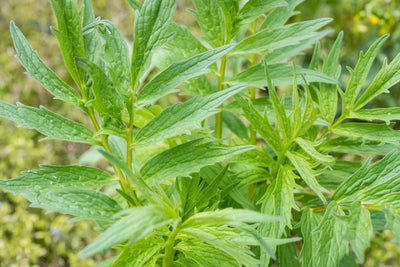
Valerian:
6pm to 8pm Tuesdays - 3 sessions starting April 13, 2010, ending April 27, 2010
I will be teaching an herbal landscaping class at South Seattle Community College starting Tuesday, April 13 through April 27th. I will give info about some useful & decorative herb plants that grow well here, as well as some of the benefits of leaving your "weeds" in place so you can harvest them. We will draw out a plan of your garden and make a unique design that fits into your space and your lifestyle using herbs you can harvest and make home remedies from in the future. We will make plant divisions and start seeds for you to take home and plant in your garden. Hope to see you there, or if you are interested in a private consultation, please call me, and we can work together to make your yard a beautiful healing space.
Valerian:
Tuesday, March 02, 2010
Save the Bees!
Along with soil nutrition, Bees are the most important part of gardening of any type. We can have extremely fertile soil, but without them, we would be out there in the garden with a paintbrush (or a pigtail) moving pollen around on our own! Lots of work on top of tending plants and amending the soil. This is a great blog The Honey Phamplet about urban beekeeping from a guy who does it in the city of Seattle. I am going to get a beehive for my gardens as soon as I can, and sign up all my friends and clients who love honey for his services! He will take care of the hives, and they taste like your flowers- it is amazing. I tasted Lavender and Mint from one hive he has in a friend's yard. He has reviewed a book: A World Without Bees, Benjamin, A. and McCallum, B., Pegasus Books, New York, NY, 2009
It is now on my list to read, but I am afraid of what I will find out! I may have to stock up on those paintbrushes after all.... Another great source for all things about honey and bees is this blog from The Daily Green Beekeeper.
Monday, March 01, 2010
Cottonwood Bud & Twig Salve
I was jogging on Longfellow Creek trail the other day on my way to do the stairs with Marc and I found a Cottonwood tree top and the buds were coming on! Those things are persistent! So I snapped the buds and little sappy twig off and I am bringing it to my Herbal Potions class. We are going to make a healing herbal salve and learn when to use it! I teach for the amazing Powerful Schools Program. They are having a fundraiser breakfast on March 4th. check it out if you can.
Subscribe to:
Posts (Atom)